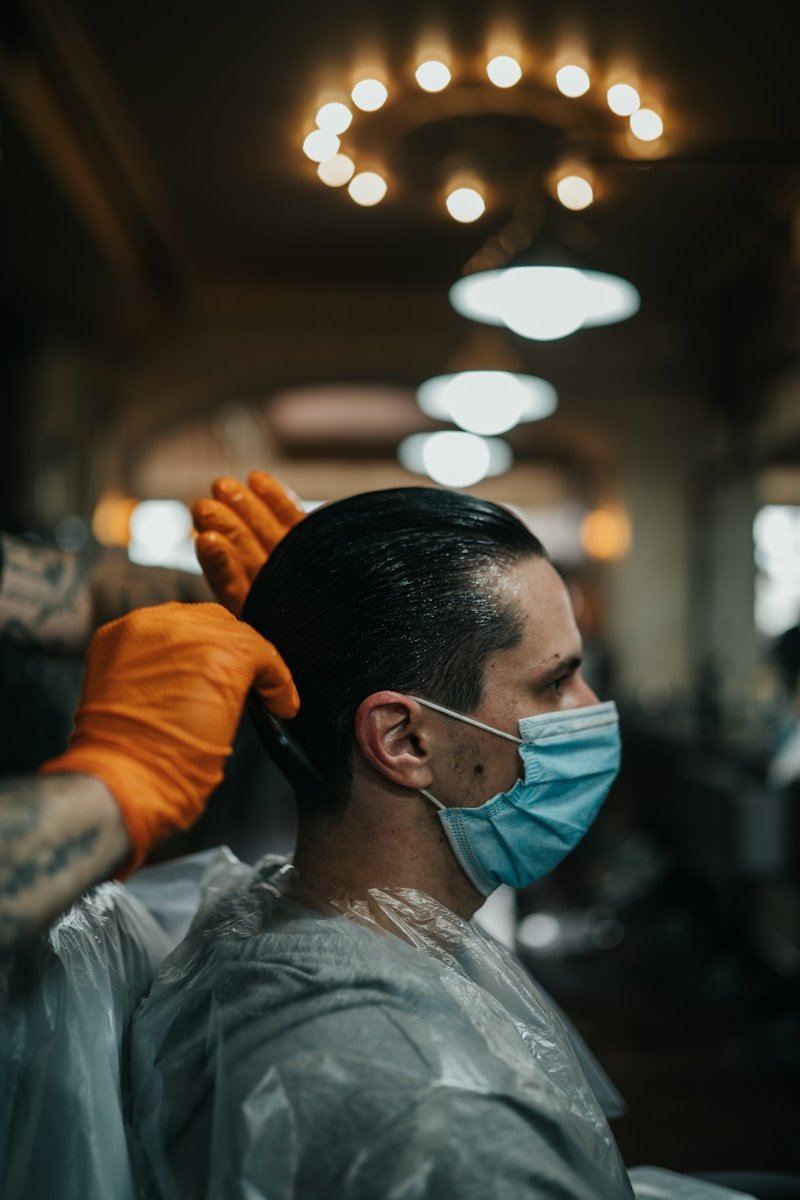
Hair Loss After COVID: Proven Regrowth Solutions
Hair loss after recovering from COVID-19 has become a common concern worldwide. Many individuals notice excessive hair shedding a few months after recovery, leading to stress and anxiety. This condition is typically temporary and is medically known as telogen effluvium. Understanding its causes and applying the right treatments can help restore healthy hair growth.

What Is Hair Loss After COVID?
Post-COVID hair loss is primarily caused by telogen effluvium, a condition in which a significant number of hair follicles prematurely enter the resting phase of the hair growth cycle. This results in noticeable hair shedding approximately two to three months after the illness.
The Hair Growth Cycle Explained
- Anagen (Growth Phase): Lasts 2–7 years and determines hair length.
- Catagen (Transition Phase): A short phase lasting a few weeks.
- Telogen (Resting Phase): Hair sheds and new strands begin to grow.
Main Causes of Post-COVID Hair Loss
- Physical Stress: Severe illness and high fever disrupt the hair cycle.
- Emotional Stress: Anxiety and psychological trauma trigger shedding.
- Nutritional Deficiencies: Lack of iron, zinc, vitamin D, and protein.
- Hormonal Imbalance: Illness-related hormonal changes.
- Medications: Certain treatments used during COVID-19 recovery.
- Immune Response: Inflammation affecting hair follicles.

Effective Treatments for Hair Loss After COVID
1. Balanced Diet
A nutrient-rich diet plays a crucial role in restoring hair health. Include protein-rich foods such as eggs, fish, lentils, and dairy products. Iron-rich foods like spinach and red meat, along with zinc and biotin sources such as nuts and seeds, support hair regrowth.
2. Essential Vitamins and Supplements
Supplements including biotin, vitamin D, iron, zinc, and omega-3 fatty acids can help strengthen hair follicles. Always consult a healthcare professional before starting any supplement.
3. Minoxidil Treatment
Topical minoxidil is an FDA-approved treatment that stimulates hair follicles and promotes regrowth. It is particularly effective for individuals experiencing prolonged shedding.
4. Stress Management
Practices such as meditation, yoga, deep breathing exercises, and regular physical activity help reduce stress and restore hormonal balance.
5. Platelet-Rich Plasma (PRP) Therapy
PRP therapy involves injecting concentrated platelets from the patient’s blood into the scalp to stimulate hair growth. This treatment is increasingly popular and effective.
Natural Remedies for Hair Regrowth

- Coconut Oil: Nourishes the scalp and strengthens hair roots.
- Onion Juice: Rich in sulfur, promoting collagen production.
- Aloe Vera: Soothes the scalp and reduces inflammation.
- Rosemary Oil: Scientifically shown to stimulate hair growth.
- Fenugreek Seeds: Strengthen follicles and reduce breakage.
Hair Regrowth Timeline
| Stage | Expected Timeframe |
|---|---|
| Initial Shedding | 2–3 months after recovery |
| Reduced Hair Fall | 3–6 months |
| Noticeable Regrowth | 6–9 months |
| Full Recovery | 9–12 months |
When Should You See a Doctor?
- Hair loss persists beyond six months.
- Visible bald patches appear.
- Severe scalp itching or inflammation.
- Sudden and extreme hair shedding.
Authoritative External Resources
- World Health Organization (WHO)
- American Academy of Dermatology (AAD)
- National Institutes of Health (NIH)
- Mayo Clinic
Internal Linking Suggestions
Frequently Asked Questions (FAQ)
Is hair loss after COVID permanent?
No, it is usually temporary and resolves within several months.
How long does it take for hair to grow back?
Most individuals notice regrowth within 6 to 12 months.
Which vitamin is best for stopping hair fall?
Biotin, vitamin D, iron, and zinc are essential for healthy hair growth.
Conclusion
Hair loss after COVID-19 can be distressing, but it is generally temporary and manageable. By maintaining a balanced diet, managing stress, using appropriate treatments, and following a healthy hair care routine, individuals can successfully restore their hair’s strength and vitality. If symptoms persist, consulting a dermatologist is recommended for personalized care.
No Responses