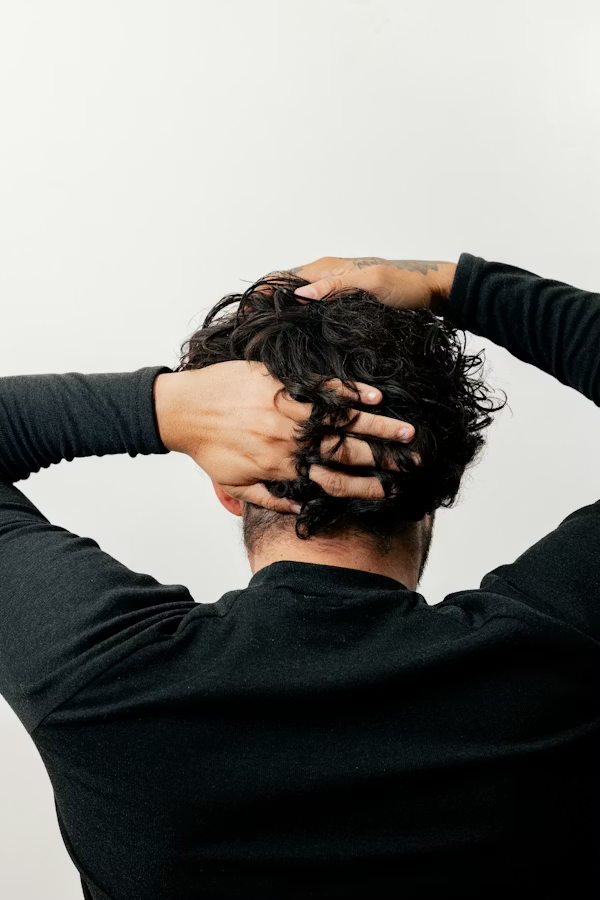
Hair Fall Due to Stress: Causes, Symptoms & Natural Solutions (Complete Guide)
Hair fall is a common problem affecting millions of people worldwide, and stress is one of the most ignored causes. Many people notice sudden hair shedding during exams, job pressure, emotional trauma, illness, or financial stress. If you are experiencing hair loss and stress together, this detailed guide will help you understand the connection and how to fix it naturally.

What Is Hair Fall Due to Stress?
Hair fall due to stress occurs when mental, emotional, or physical stress disrupts the normal hair growth cycle. Stress pushes hair follicles into the resting (telogen) phase, causing excessive shedding after a few weeks or months.
How Stress Affects the Hair Growth Cycle
Stress increases cortisol levels, which negatively affect blood flow to the scalp and weaken hair follicles. Over time, this leads to thinning hair, slow growth, and increased hair fall.
Types of Stress-Related Hair Loss
1. Telogen Effluvium
This is the most common stress-related hair loss. It often happens after emotional shock, surgery, illness, or extreme pressure.
2. Alopecia Areata
Stress can trigger autoimmune reactions, causing patchy hair loss on the scalp or beard.
3. Trichotillomania
This condition involves pulling hair due to anxiety or stress, leading to visible hair thinning.
Common Symptoms of Stress Hair Loss
- Sudden increase in hair fall
- Hair on pillow, comb, or shower drain
- Thinning hair
- Patchy bald spots (in some cases)
Can Stress Alone Cause Hair Fall?
Yes. Chronic stress affects hormones, sleep quality, and nutrient absorption, all of which are essential for healthy hair growth.
How Long Does Stress Hair Loss Last?
Stress-related hair fall usually appears 2–3 months after a stressful event. In most cases, hair regrowth begins within 3–6 months once stress is controlled.
Natural Ways to Stop Hair Fall Due to Stress
1. Reduce Stress Daily
Practice meditation, deep breathing, walking, or yoga to lower cortisol levels.
2. Improve Sleep Quality
Sleep 7–8 hours daily. Poor sleep increases stress hormones and hair fall.
3. Eat a Hair-Healthy Diet
Include eggs, nuts, green vegetables, fruits, and fish in your diet.
4. Gentle Hair Care Routine
Avoid tight hairstyles, heat styling, and harsh shampoos.
Medical Treatment Options
If hair loss is severe, doctors may recommend blood tests, supplements, or topical treatments.
Hair Regrowth Timeline
- 1–2 months: Hair fall reduces
- 3–4 months: Baby hair appears
- 6 months: Visible improvement
- 9–12 months: Normal density returns
Internal Resources (Recommended Reading)
Trusted Medical Sources
Frequently Asked Questions
Can stress hair loss grow back?
Yes. In most cases, stress-related hair loss is temporary and hair regrows naturally.
Does anxiety cause hair fall?
Chronic anxiety increases cortisol levels, which can weaken hair follicles.
Is stress hair loss permanent?
No. Stress alone usually does not cause permanent baldness.
Final Thoughts
Hair fall due to stress is common but reversible. Managing stress, eating healthy, sleeping well, and gentle hair care can restore natural hair growth over time.
No Responses