
How to Regrow Hair Naturally: Science-Backed Methods That Actually Work (2026)
Hair loss is no longer just a cosmetic concern—it affects confidence, mental health, and quality of life for millions of men and women in the United States. The good news? Natural hair regrowth is possible when you understand the science behind hair follicles, hormones, nutrition, and lifestyle choices.
This complete 2026 guide explains how to regrow hair naturally using proven, research-backed methods—without hype, fake promises, or unsafe shortcuts.
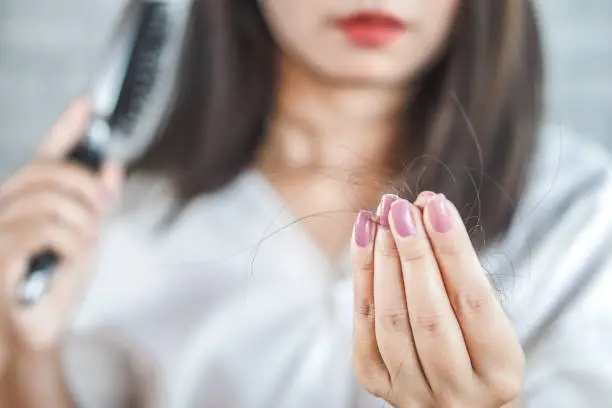
Understanding the Hair Growth Cycle
Before learning how to regrow hair, you must understand how hair actually grows. Hair follows a continuous cycle with three phases:
- Anagen (Growth Phase): Lasts 2–7 years. Healthy follicles produce strong hair.
- Catagen (Transition Phase): Hair detaches from blood supply.
- Telogen (Resting Phase): Hair sheds naturally.
Hair loss occurs when follicles remain stuck in the telogen phase for too long or shrink due to hormonal or nutritional issues.
Main Causes of Hair Loss You Must Fix First
Natural hair regrowth only works if the root causes are addressed. Common causes include:
- Genetic sensitivity to DHT
- Chronic stress and cortisol imbalance
- Iron, zinc, or vitamin D deficiency
- Poor scalp circulation
- Inflammation and oxidative stress
👉 Read our full breakdown:
Causes of Hair Loss: 15 Common Reasons & Proven Solutions
Can Hair Really Regrow Naturally?
Yes—if follicles are dormant but not dead. According to dermatologists, follicles miniaturized by stress, diet, or hormonal imbalance can often be reactivated naturally.
However, advanced genetic baldness may require medical support.
Science-Backed Natural Ways to Regrow Hair
1. Optimize Nutrition for Hair Regrowth
Hair is made of keratin, a protein structure that depends heavily on nutrition.
- Protein: Eggs, fish, lean meat
- Iron: Spinach, red meat
- Zinc: Pumpkin seeds, oysters
- Biotin: Eggs, almonds
- Omega-3: Salmon, walnuts
👉 Also read:
Top 7 Drinks for Natural Hair Growth
2. Reduce DHT Naturally
DHT (Dihydrotestosterone) shrinks hair follicles in men and women.
Natural DHT blockers include:
- Saw palmetto
- Green tea extract
- Pumpkin seed oil
👉 Related guide:
Hair Loss in Men: Causes & Treatments
3. Scalp Massage & Blood Circulation
Daily scalp massage improves blood flow and nutrient delivery to follicles.
Studies show 4–5 minutes daily can improve hair thickness.
4. Natural Oils That Support Hair Regrowth
- Rosemary oil (clinically compared to minoxidil)
- Castor oil
- Peppermint oil
5. Stress Control Is Non-Negotiable
Chronic stress triggers telogen effluvium.
Effective methods:
- 7–8 hours sleep
- Meditation
- Regular exercise
Trusted source:
Mayo Clinic – Stress Management
6. Avoid Hair Growth Killers
- Excess heat styling
- Harsh chemical treatments
- Tight hairstyles
- Smoking
Natural vs Medical Hair Regrowth
Natural methods work best for early to moderate hair loss. For advanced cases, dermatologists may recommend:
- Minoxidil
- PRP therapy
- Microneedling
👉 See natural alternatives:
Natural Treatments for Hair Thinning
How Long Does Natural Hair Regrowth Take?
Realistic timeline:
- 1–2 months: Reduced hair fall
- 3–4 months: Baby hair growth
- 6–12 months: Visible density improvement
Frequently Asked Questions
Can bald areas regrow hair naturally?
If follicles are dead, regrowth is unlikely. Early thinning responds best.
Do supplements work?
Only if you have deficiencies.
Final Thoughts
Natural hair regrowth is not magic—it’s biology. When nutrition, hormones, circulation, and lifestyle align, hair follicles respond.
If you stay consistent, patient, and informed, natural regrowth is achievable for many people.
Next Step:
Start with fixing causes → support growth → protect follicles.


No responses yet